

Seine River Cruises
In the Footsteps of the Impressionists
The arrival of the railway made it easier for Impressionist painters to travel to Normandy, drawn by its extraordinary light.
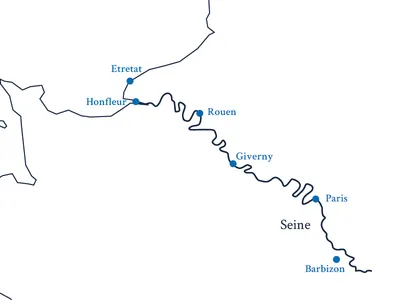
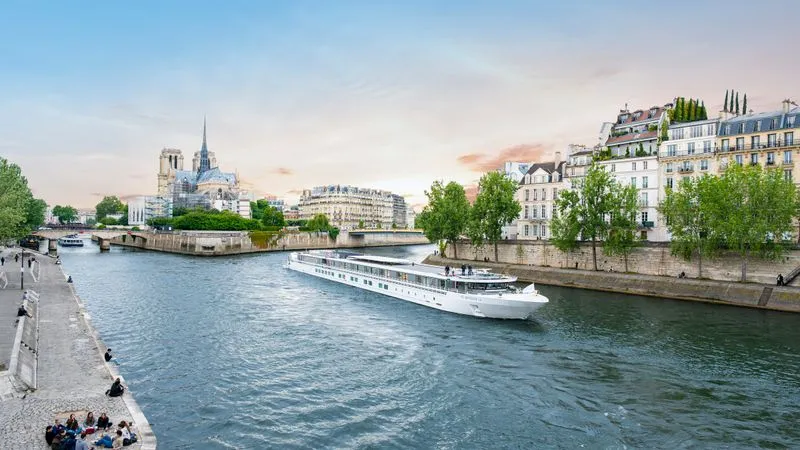
Today, as our ships glide along the winding Seine, passengers are invited to follow in the footsteps of these renowned artists.
From Honfleur to the Musée Marmottan Monet, via Rouen and the famous gardens of Giverny, discover the Seine Valley through the eyes of the artists who captured its beauty in some of their greatest masterpieces.
Étretat: The Perils to pain from life
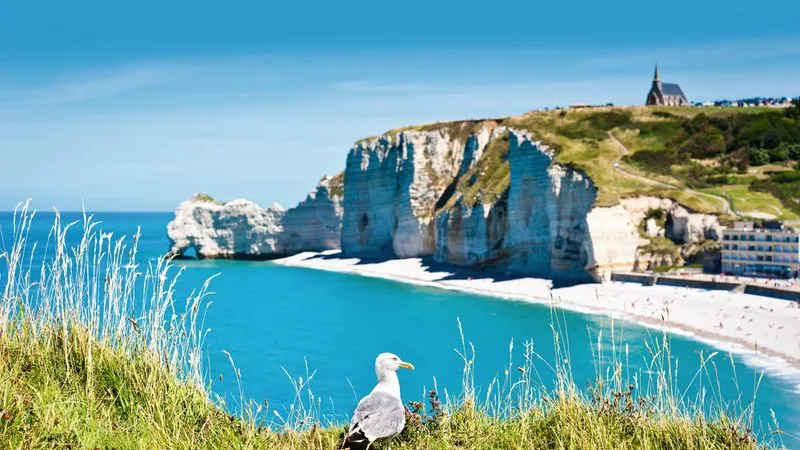
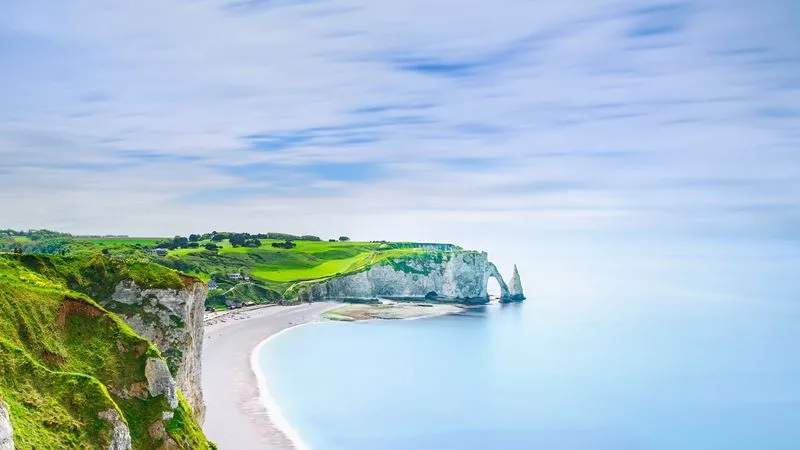
With its striking white chalk cliffs, natural arches and iconic rock needle rising from the waters of the English Channel, Étretat captivated 19th-century painters. Following in the footsteps of the Romantic artists, the Impressionists came here to paint directly from nature.
Monet produced around 50 paintings of Étretat, taking a particular interest in the Porte d'Aval, the Manneporte and the Aiguille rock formation.
Legend has it that, while painting on the shore one day, Monet was caught off guard by the rising tide, which swept away his canvas and painting equipment.
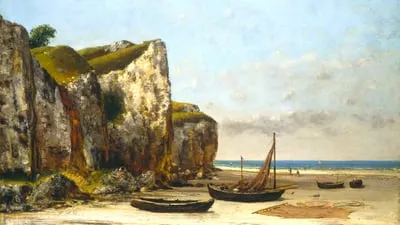
Gustave Courbet (1819–1877), Beach in Normandy, c. 1872/1875, oil on canvas, 61.3 × 90.2 cm, Chester Dale Collection, © National Gallery of Art, Washington, D.C., online collection
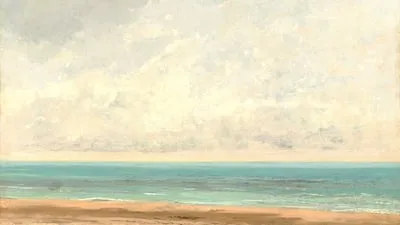
Gustave Courbet (1819–1877), Calm Sea, 1866, oil on canvas, 59.7 × 73 cm, Collection of Mr. and Mrs. Paul Mellon, © National Gallery of Art, Washington, D.C., online collection
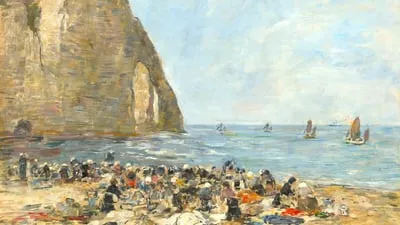
Eugène Boudin (1824–1898), Washerwomen on the Beach of Etretat, 1894, oil on wood, 37.2 × 54.9 cm, Ailsa Mellon Bruce Collection, © National Gallery of Art, Washington, D.C., online collection
Honfleur: Where It All Began, with Boudin and the Light
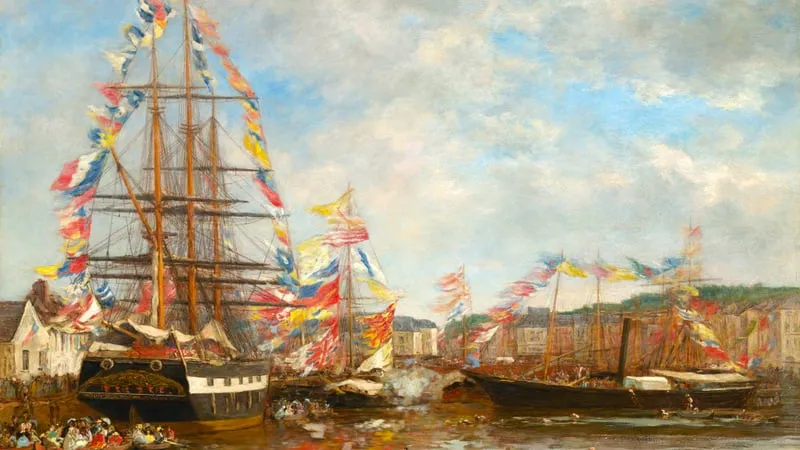
Eugène Boudin (1824–1898), Festival in the Harbor of Honfleur, 1858, oil on wood, 41 × 59.3 cm, Collection of Mr. and Mrs. Paul Mellon, © National Gallery of Art, Washington, D.C., online collection
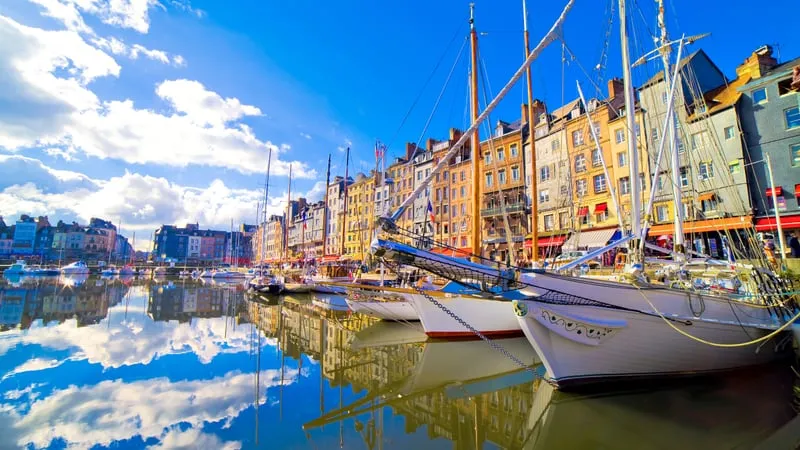
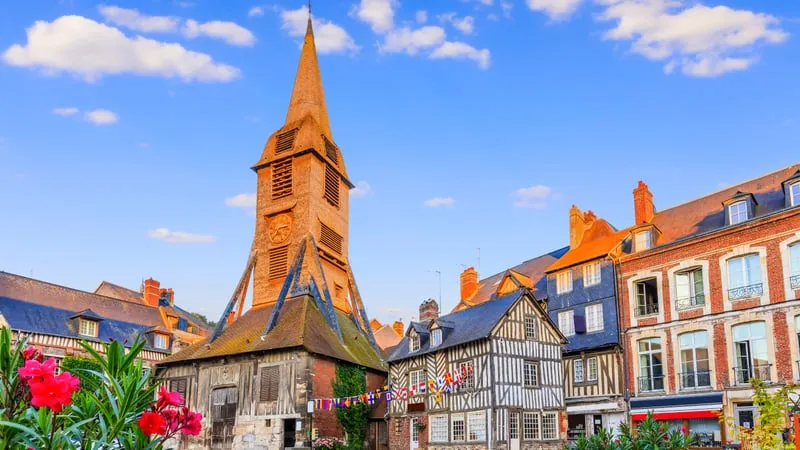
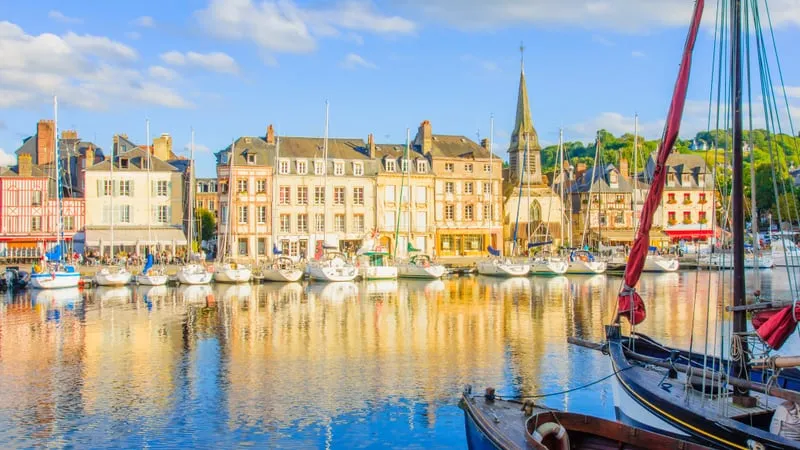
In the 19th century, Honfleur became a gathering place for artists drawn to the picturesque streets of this small harbour town and, above all, its ever-changing light. Among them were Eugène Boudin, Claude Monet, Gustave Courbet and Johan Barthold Jongkind, who would meet at the Ferme Saint-Siméon, considered the birthplace of Impressionism.
Today, Honfleur is home to a museum dedicated to Eugène Boudin (1824–1898), a native of the town. In 1856, the master of Normandy's skies met a young Claude Monet, then just 16 years old. He encouraged him to turn away from caricature and embrace landscape painting, introducing him, most importantly, to painting outdoors. It was an encounter that would change the course of art history!
Rouen: Facing the Cathedral
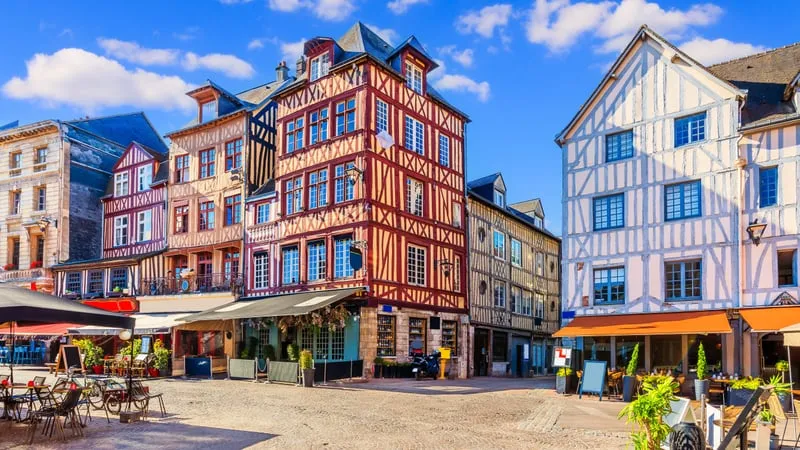
Just like Monet, you can stand before the cathedral's magnificent façade and watch the light dance across its intricate details.
Like Camille Pissarro, you can wander across the bridges, along the riverbanks and through the city's industrial districts. Alternatively, take your time exploring the galleries of the Musée des Beaux-Arts, home to an outstanding collection of Impressionist paintings.
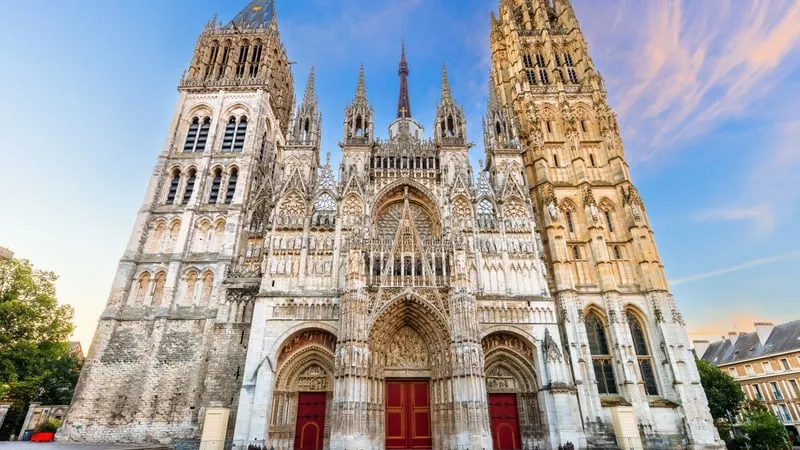
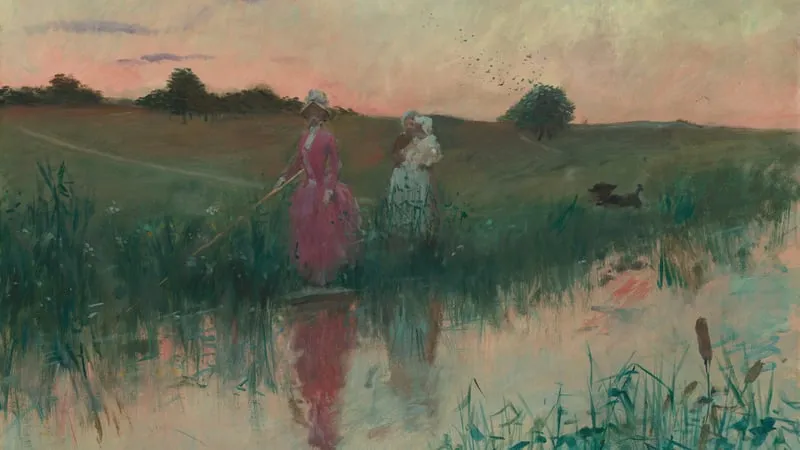
Jean-Louis Forain (1852–1931), The Artist’s Wife Fishing, 1896, oil on canvas, 95.5 × 101 cm, Collection of Mr. and Mrs. Paul Mellon, © National Gallery of Art, Washington, D.C., online collection
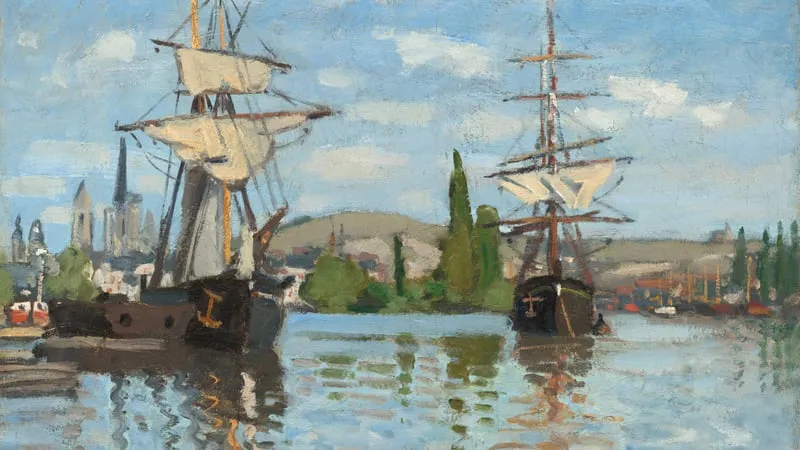
Claude Monet (1840–1926), Ships Riding on the Seine at Rouen, 1873, oil on canvas, 37.7 × 46 cm, Ailsa Mellon Bruce Collection, © National Gallery of Art, Washington, D.C., online collection
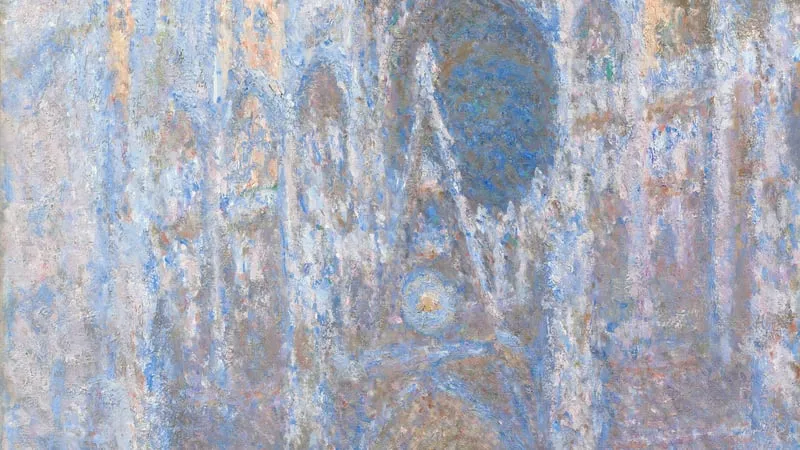
Claude Monet (1840–1926), Rouen Cathedral, West Façade, 1894, oil on canvas, 100.1 × 65.9 cm, Chester Dale Collection, © National Gallery of Art, Washington, D.C., online collection
Giverny: A Garden Transformed into a Living Painting
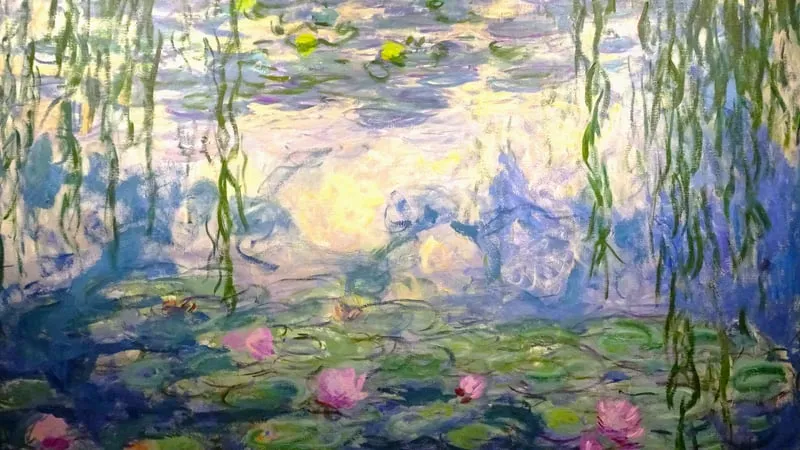
Claude Monet (1840–1926), Water Lilies, 1916–1919, oil on canvas, 150 × 197 cm, © Philippe Marcacci, Musée Marmottan Monet
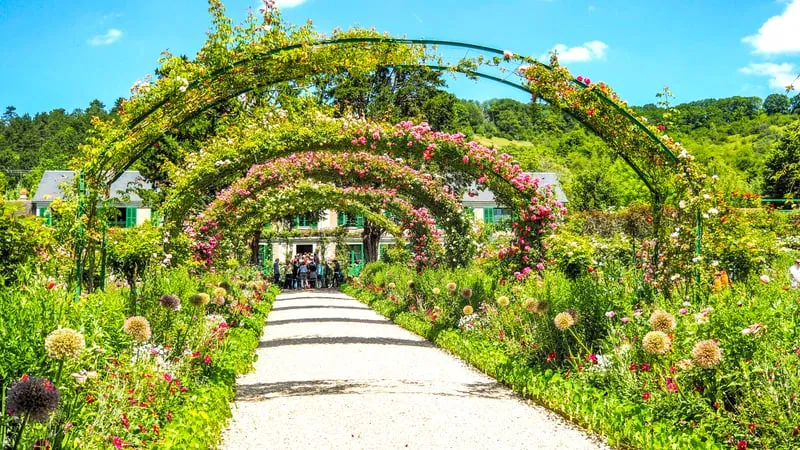
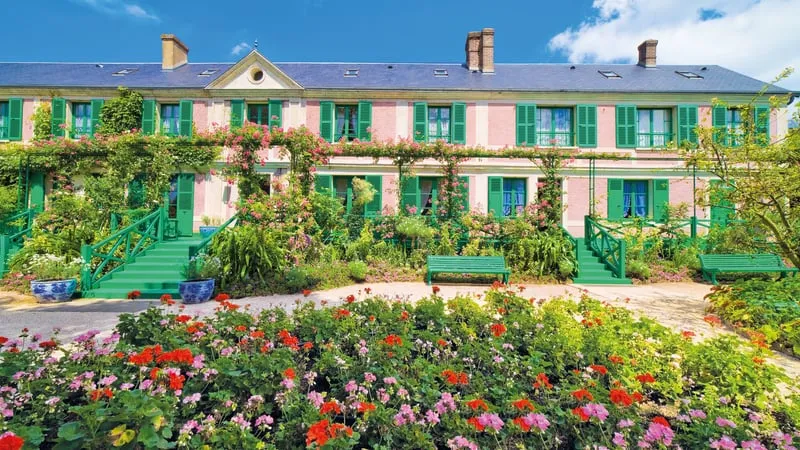
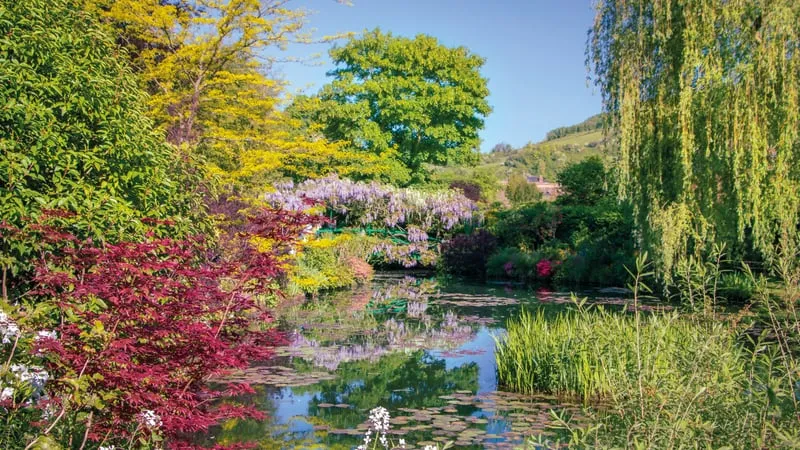
Giverny needs little introduction. It was here that Monet made his home and created a world that would become an enduring symbol of Impressionism, transforming his garden into a masterpiece brought to life. What a pleasure it is to wander through this enchanting setting, where the colours and scenery change with the seasons.
Discover Monet's pink house with its green shutters and his studios at the Fondation Claude Monet, and explore the Musée des Impressionnismes. Here, you are truly at the heart of the Impressionist movement.
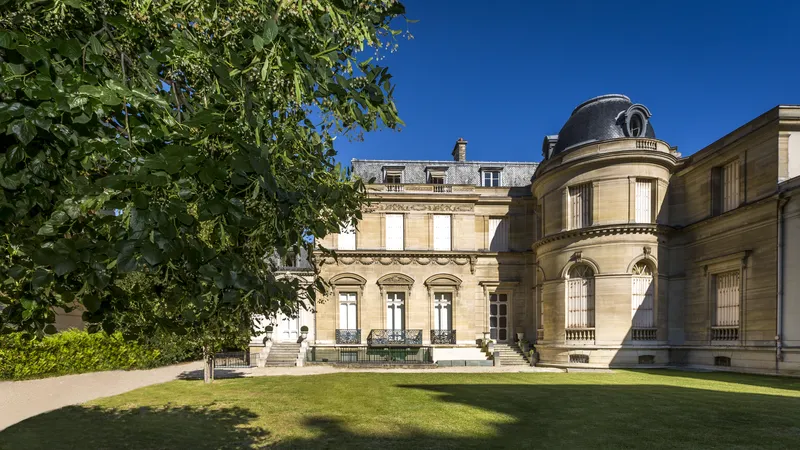
Paris: The Musée Marmottan Monet and its extraordinary collection
A wealth of artistic treasures awaits at the Musée Marmottan Monet, including works from Monet's personal studio collection, bequeathed by his youngest son, Michel Monet, in 1966. The museum houses the world's largest collection of works by Monet, with an underground gallery dedicated to his spectacular Water Lilies.
Not to be missed is Impression, Sunrise, the iconic painting created in Le Havre that gave the Impressionist movement its name.
The museum also boasts a remarkable collection of paintings by Berthe Morisot, alongside works by Caillebotte, Renoir and Degas.
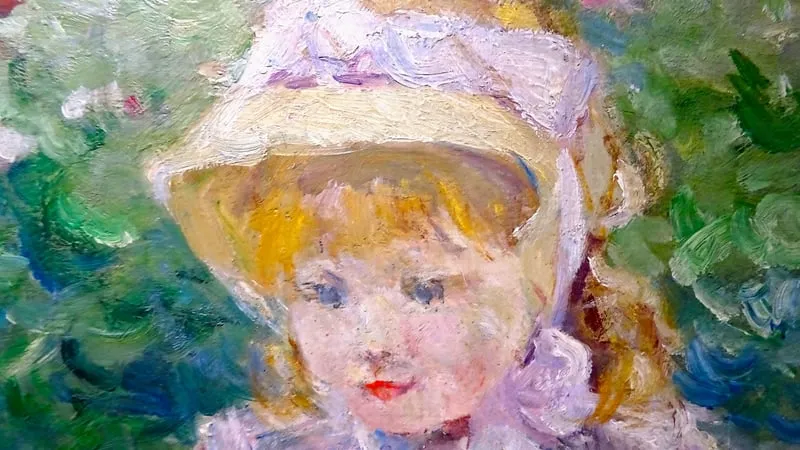
Berthe Morisot (1841–1895), Eugène Manet and His Daughter in the Garden at Bougival, 1881, oil on canvas, 73 × 92 cm, © Philippe Marcacci, Musée Marmottan Monet
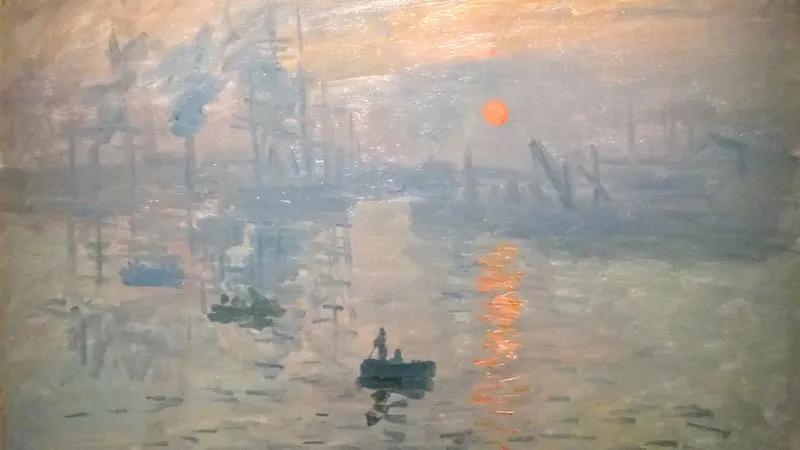
Claude Monet (1840–1926), Impression, Sunrise, 1872, oil on canvas, 50 × 65 cm, © Philippe Marcacci, Musée Marmottan Monet
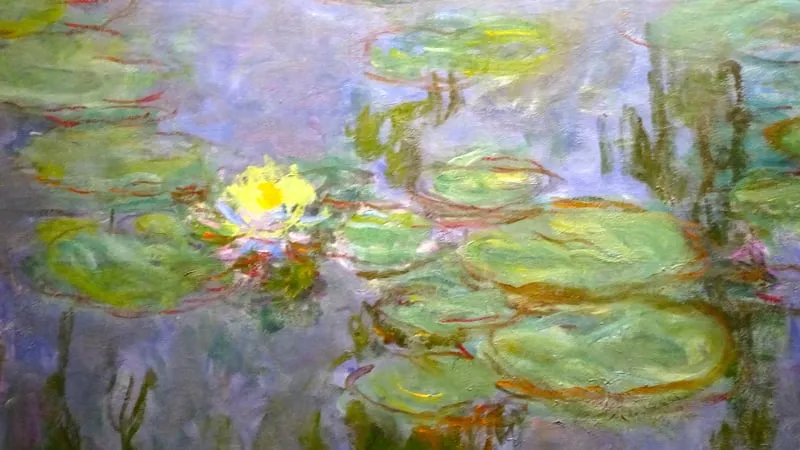
Claude Monet (1840–1926), Water Lilies, 1903, oil on canvas, 150 × 197 cm, © Philippe Marcacci, Musée Marmottan Monet
Barbizon: Before Impressionism
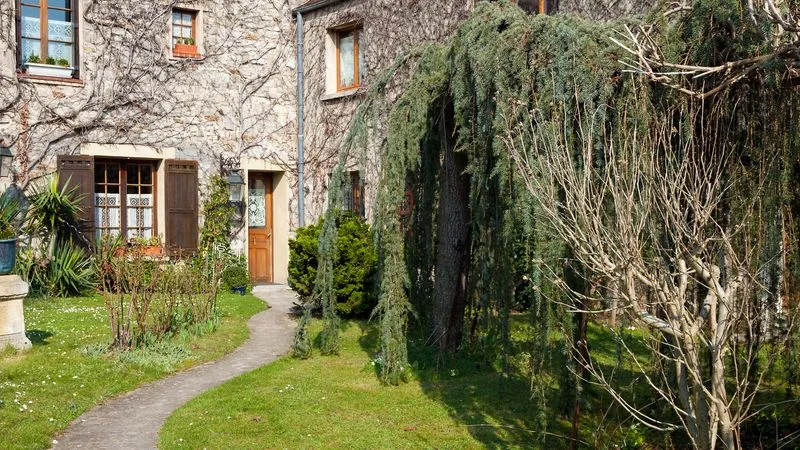
Around 50 kilometres from Paris, on the edge of the Forest of Fontainebleau, Barbizon began attracting artists as early as the 1830s. This marked the birth of the Barbizon School, whose painters included Théodore Rousseau, Jean-François Millet (The Angelus), Camille Corot and Charles-François Daubigny. Long before the Impressionists, these pioneering artists paved the way for the movement by painting directly outdoors, although they usually completed their canvases back in their studios.
The former Auberge Ganne, where artists once gathered and sometimes left their artwork on the walls and furniture — often to settle their bills — now houses the Museum of the Barbizon Painters.
Discover our Seine river cruise
About the Author
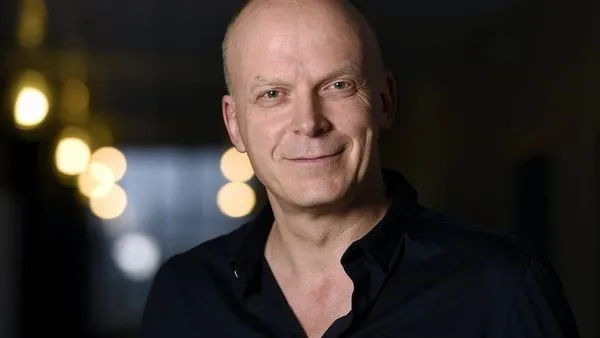
Journalist Philippe Marcacci knows CroisiEurope’s ships and destinations particularly well, having travelled on numerous cruises.
He is also one of the two authors of La passion des croisières (A Passion for Cruises), the commemorative book celebrating CroisiEurope’s 50th anniversary.